26 products


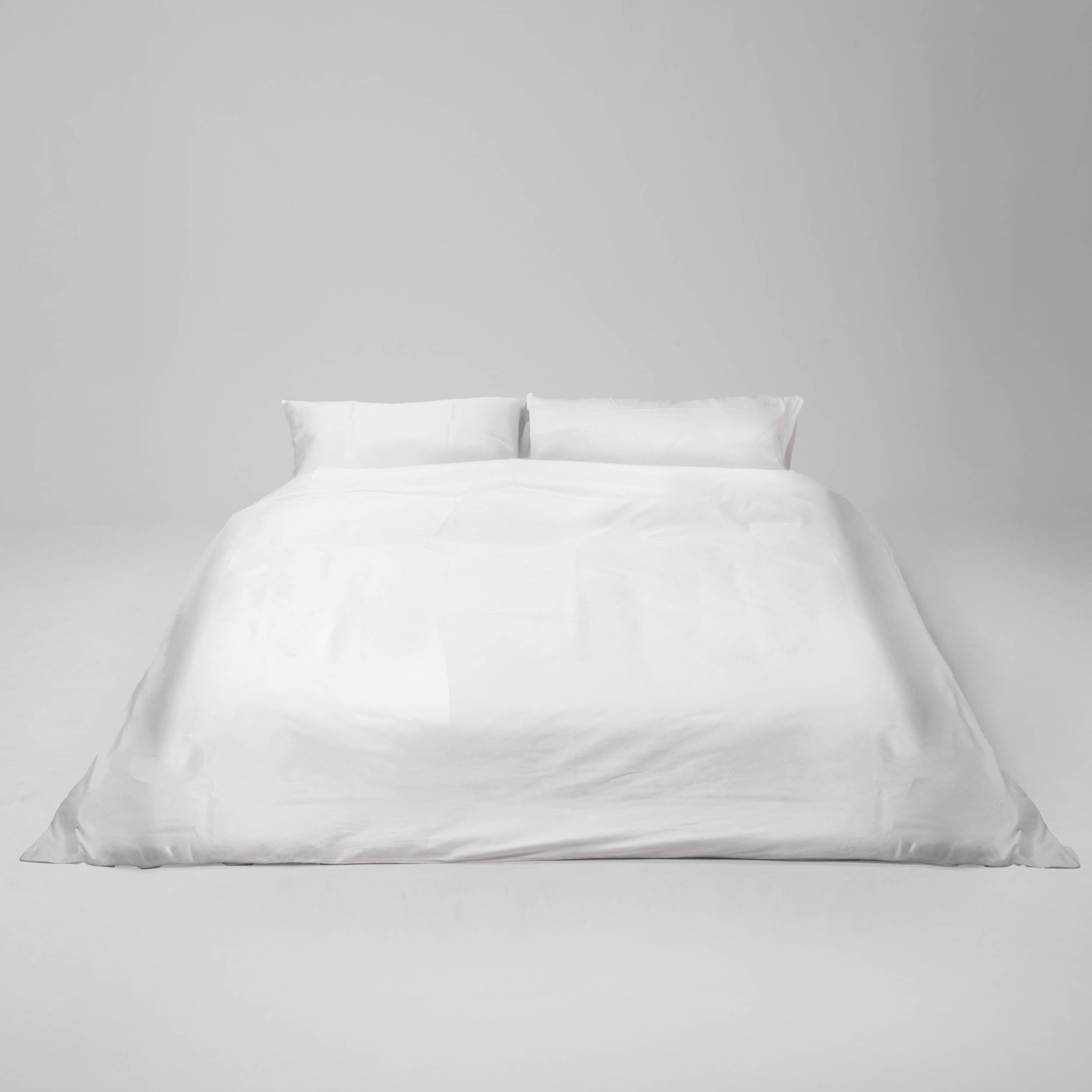
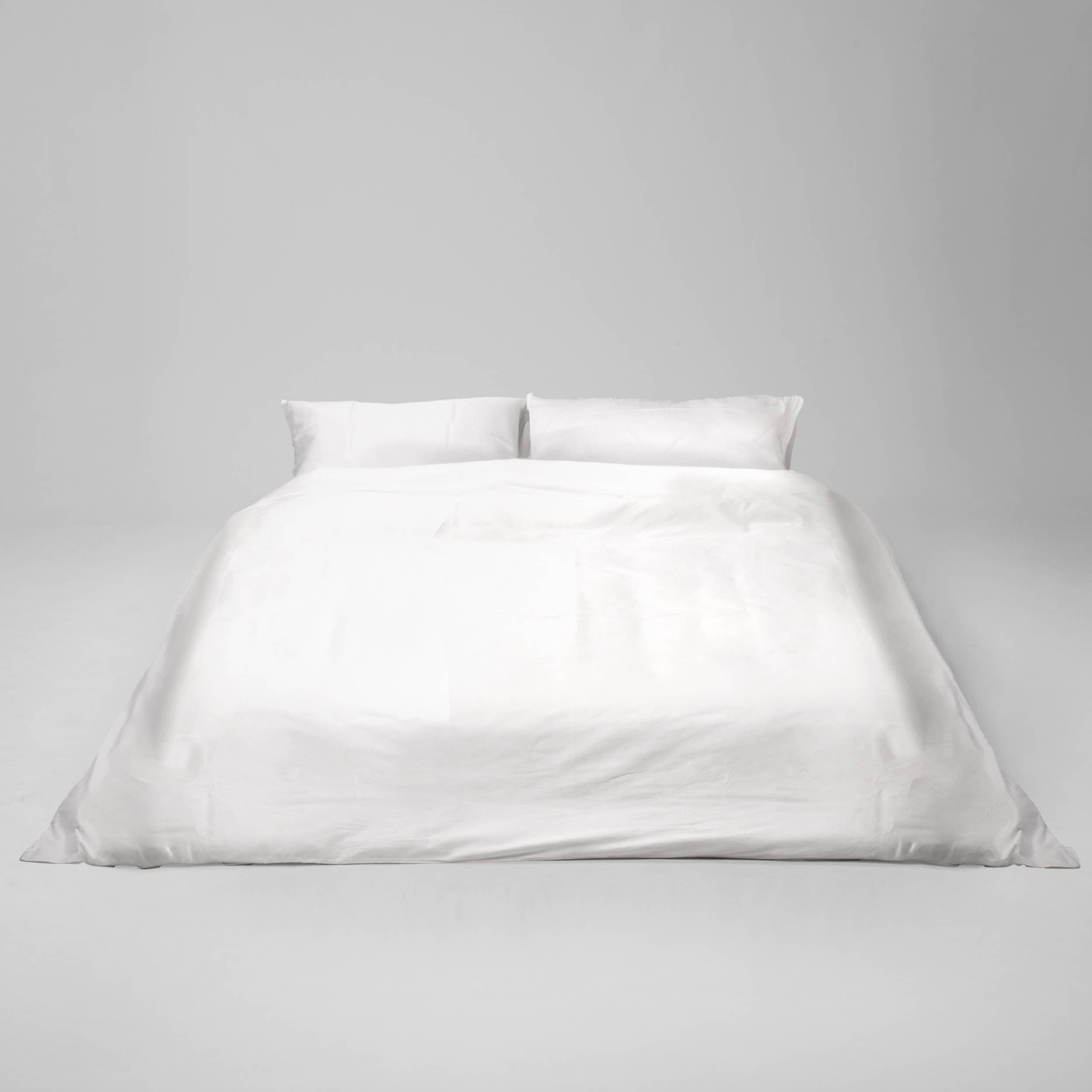
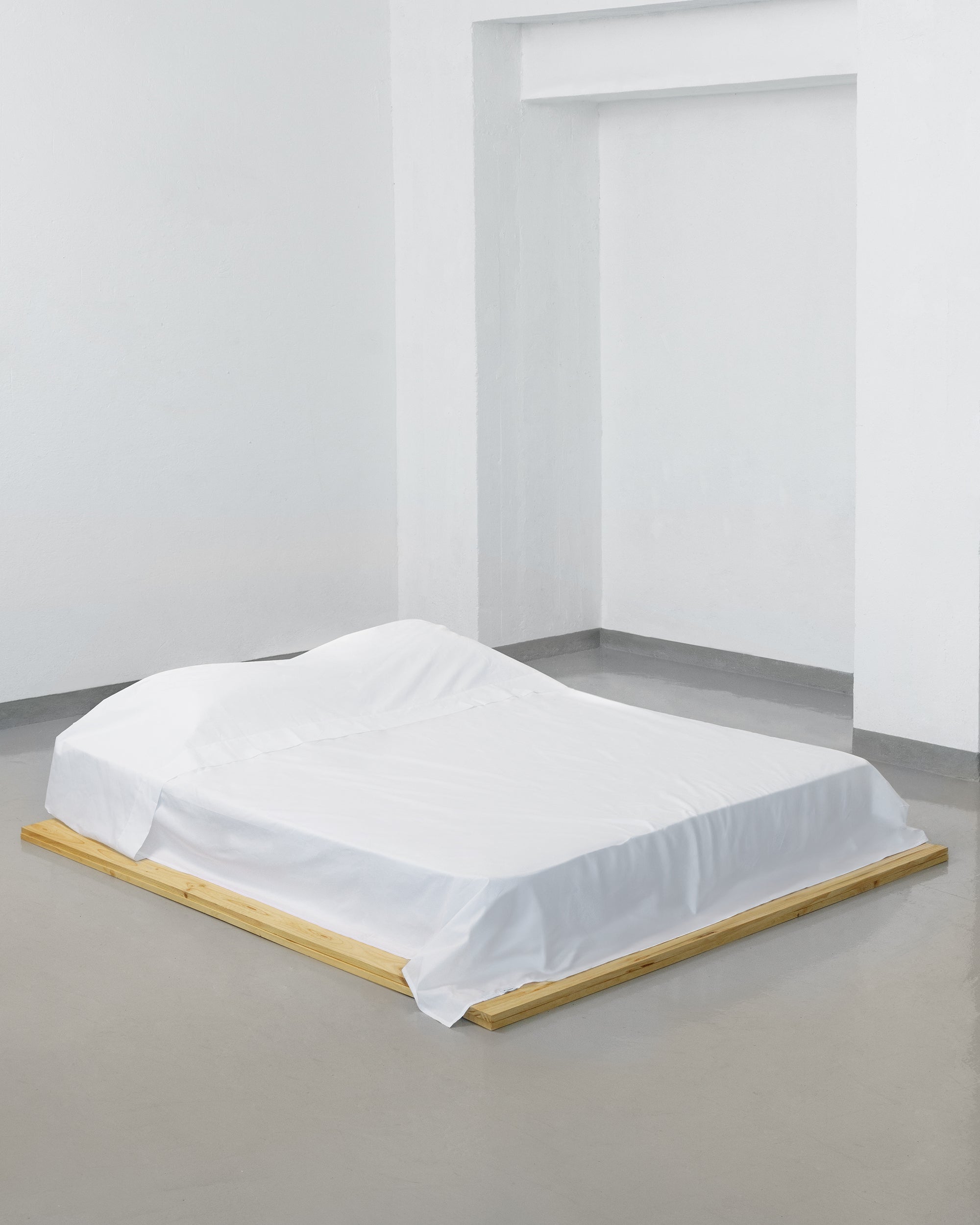
Soft, breathable, and ridiculously comfy—our bedding collection makes every night feel special. 

Percale – Cool, crisp, and airy for hot sleepers.

Sateen – Smooth, silky, and perfect for snuggling year-round.

Flannel – Cozy, warm, and brushed for extra softness.


FAQs about Bedding

What makes hotel bedding feel different at home?

Three things, in this order. The fabric. The finishing. The fit. Hotel bedding is woven from long-wear cotton, finished to a specific crisp or silky hand, and cut so the duvet covers fit the duvets and the sheets fit the mattress without sagging.

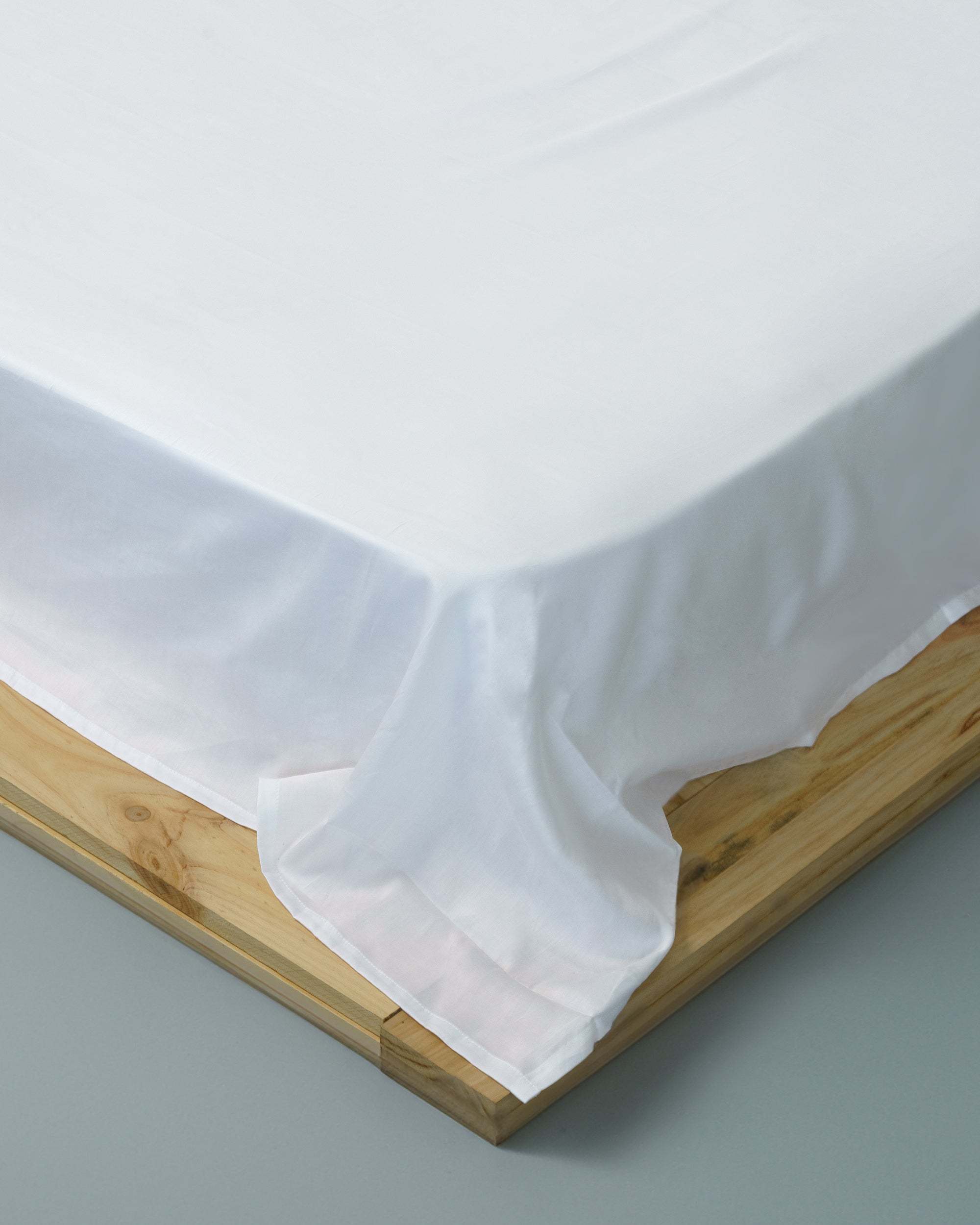
Most home bedding fails on the third point. The fabric can be right, but a flat sheet that slides off the corners ruins the picture before you have got into bed.

What fabric do most hotels actually use?

The widest answer is percale, a tightly woven cotton with a crisp, matte finish. It launders well, holds its shape and gives the bed the slightly cool, slightly snapping feel that good hotels are known for.

Sateen appears in higher-end hotels for the silkier drape and the gentle sheen under bedside lighting. Both have a place. Both are in Marshmellow's range.

Does hotel bedding have to be white?

No, although white is what most travellers picture. White looks crisp, photographs well and signals clean linen at a glance. The cotton itself, not the colour, is what makes hotel bedding feel like hotel bedding.

A deep navy, a soft grey, a hotel-style stripe, all of them work if the fabric and the fit are right. White is the default, not the rule.

Can a regular home bed feel like a hotel bed?

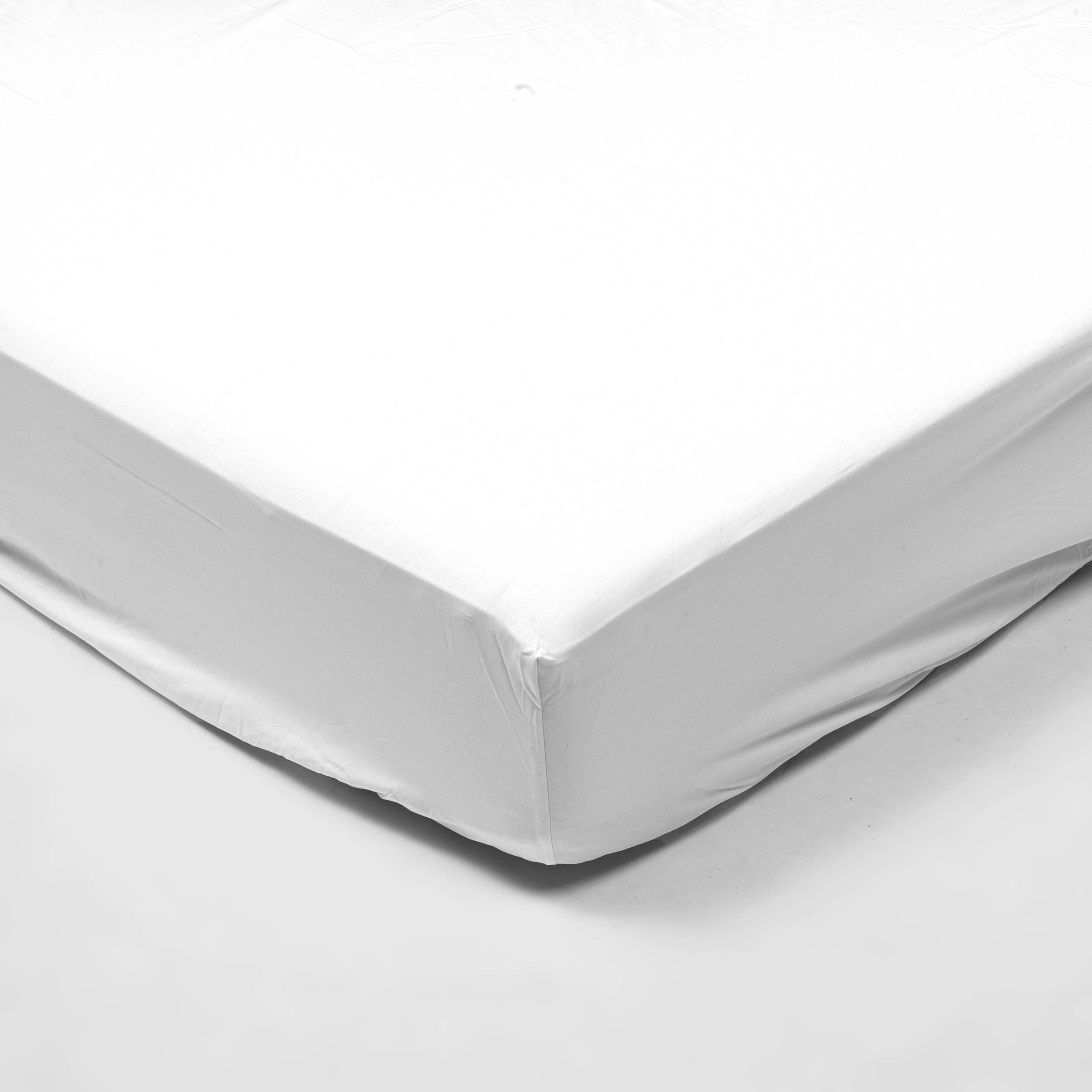
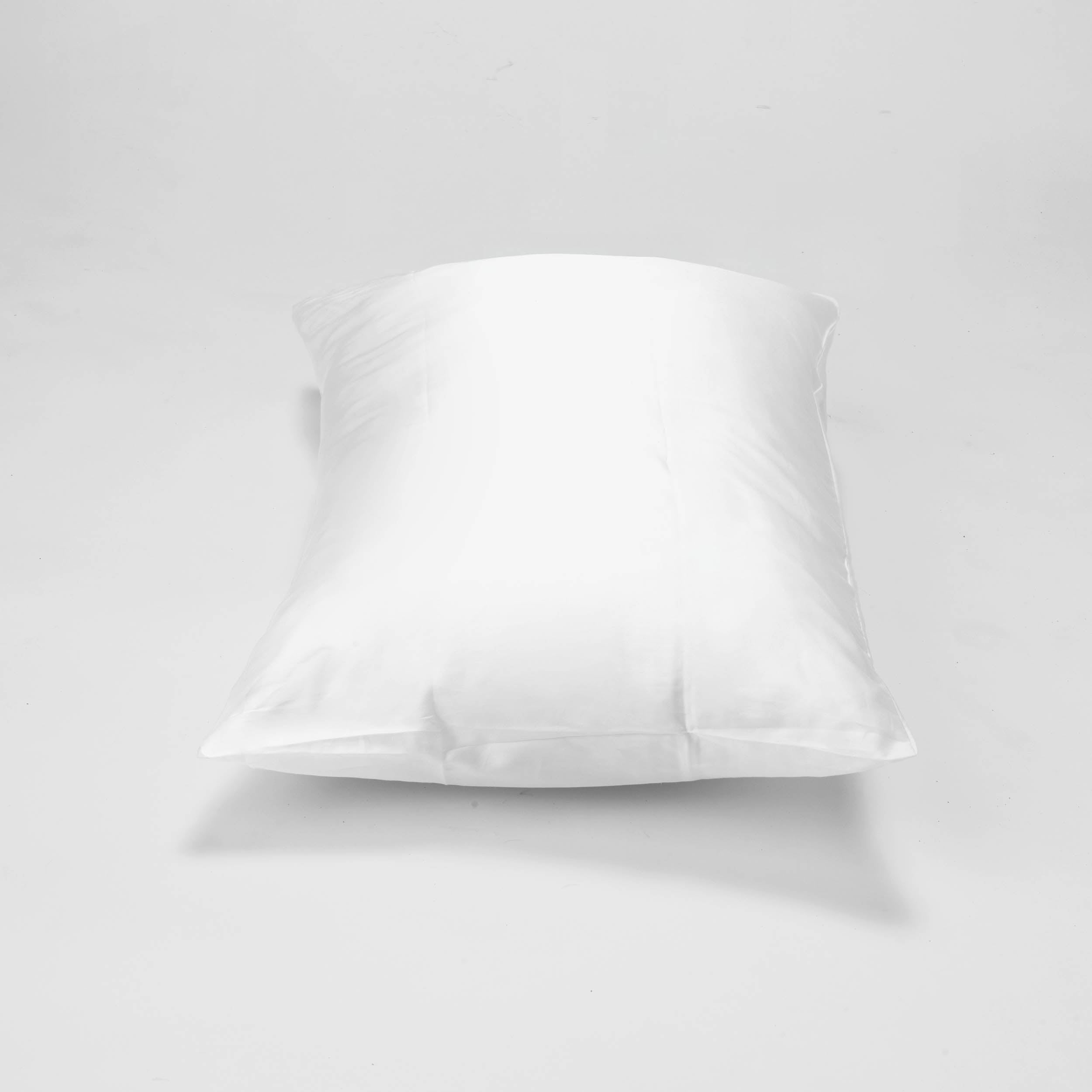
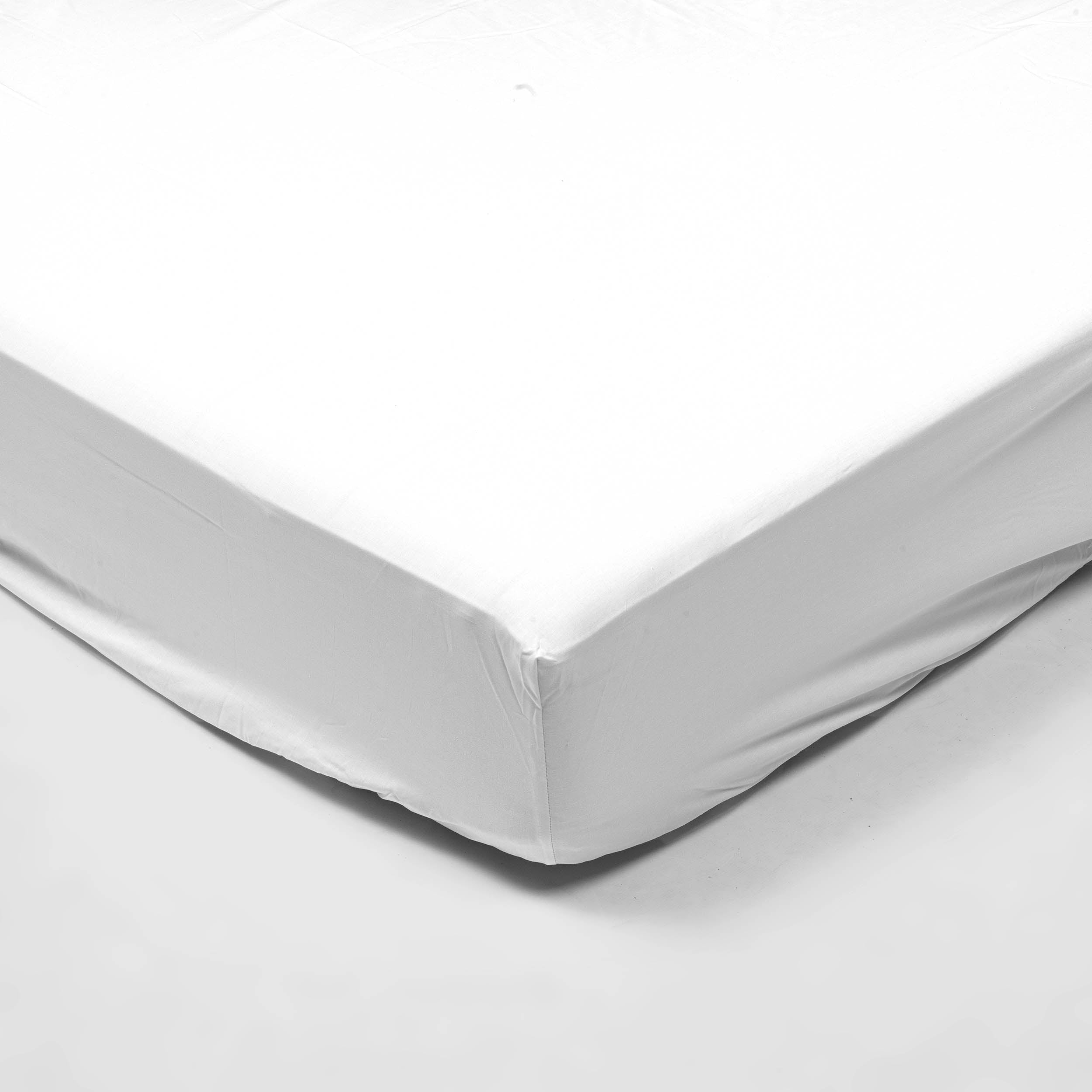
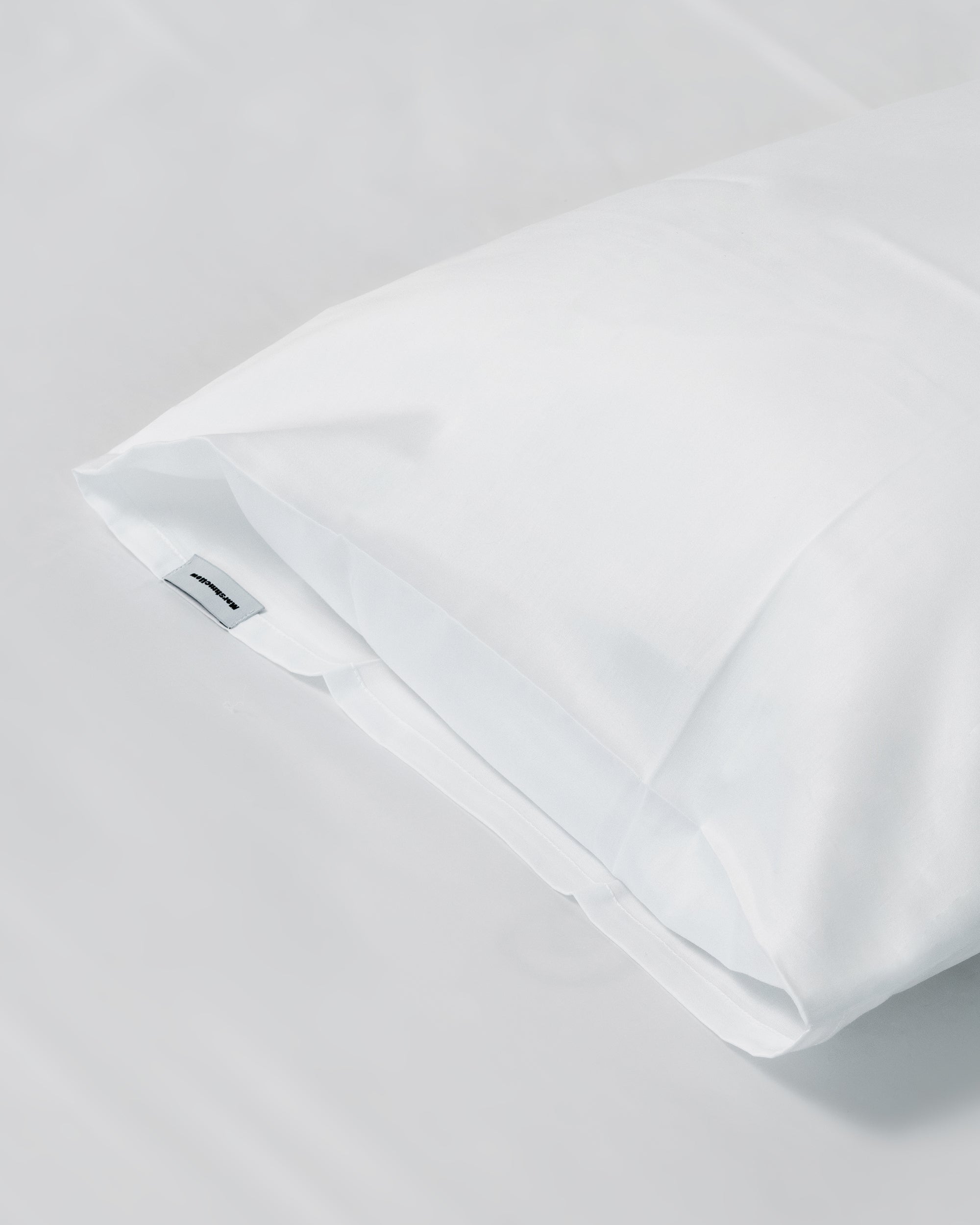
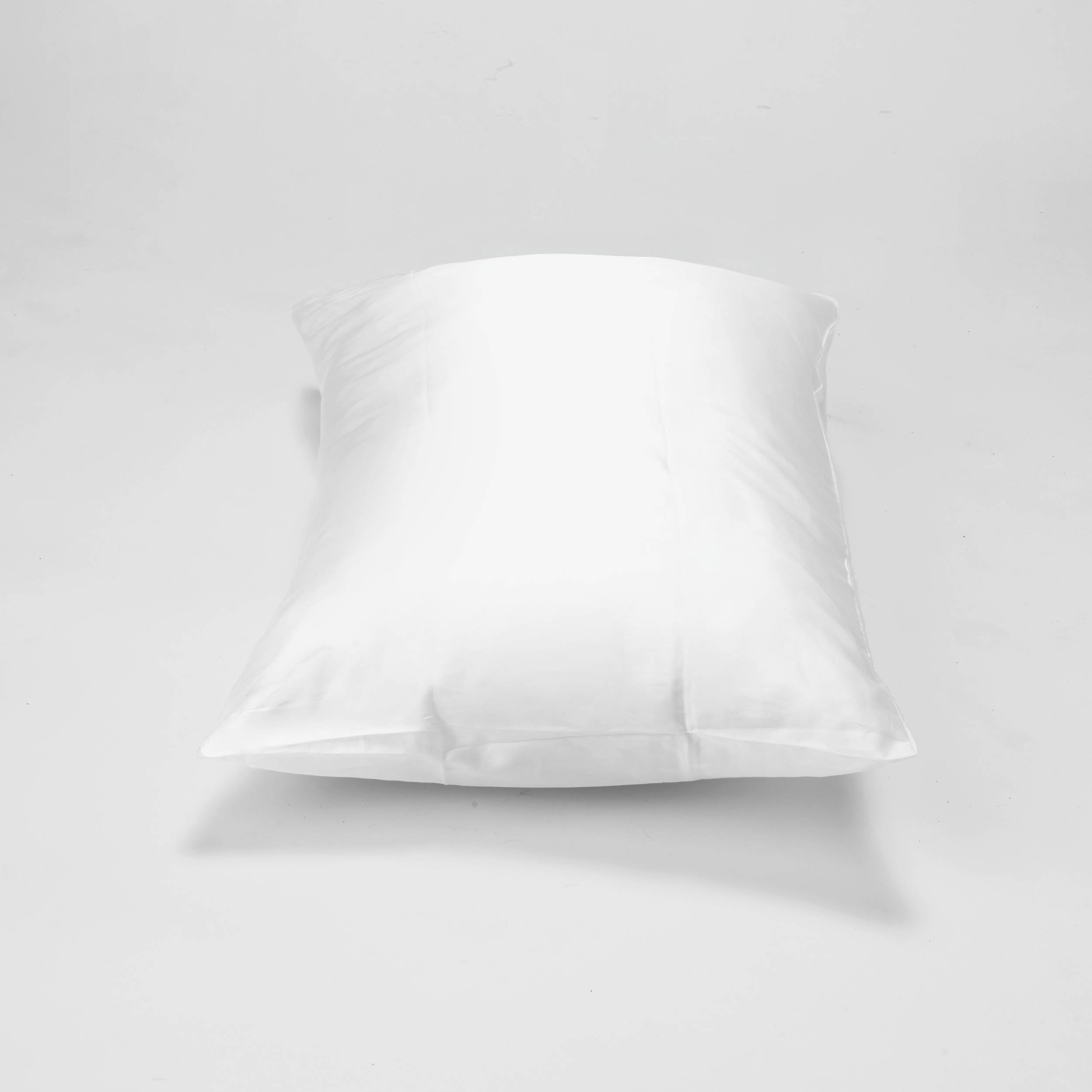
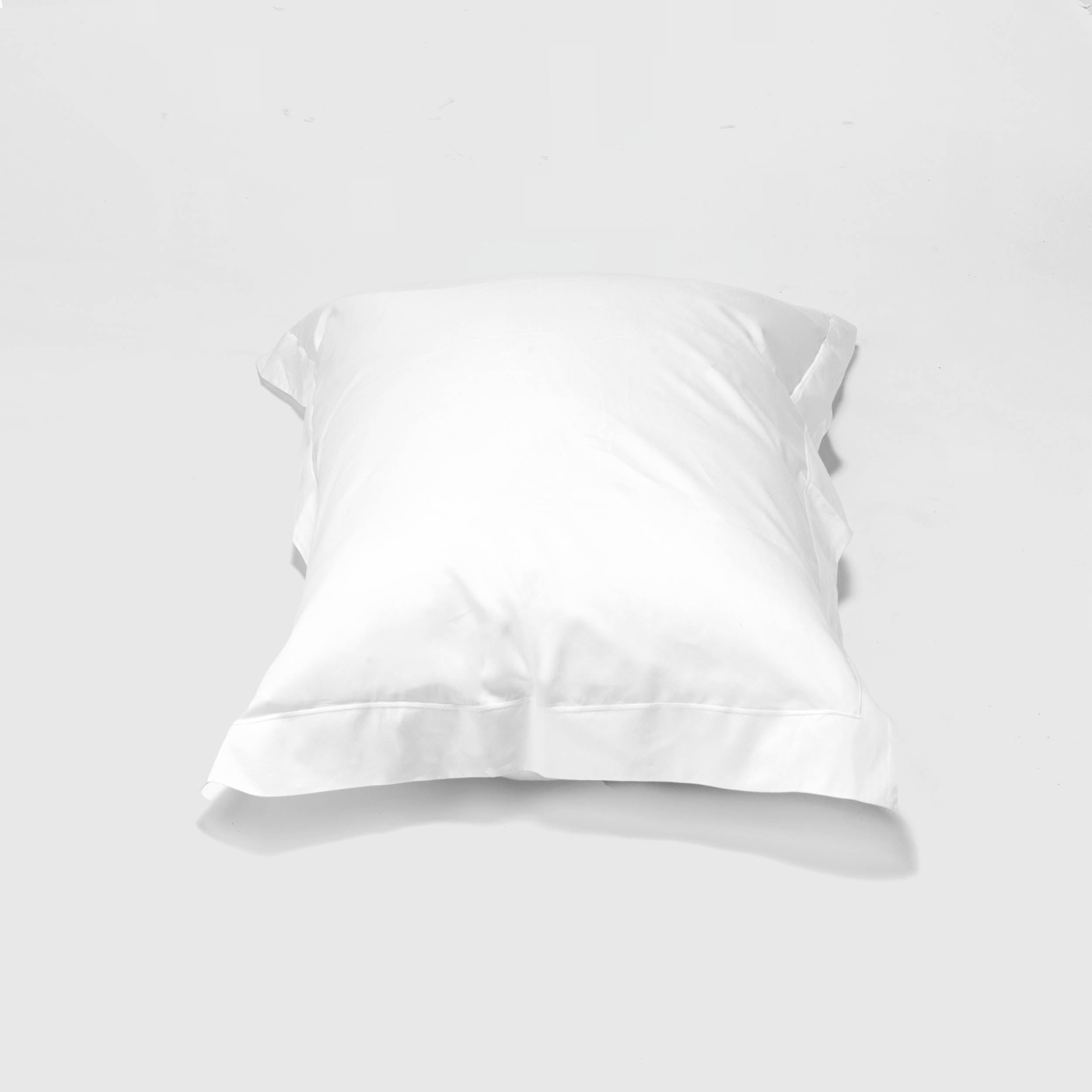
Yes, with three reasonable choices. A percale or sateen duvet cover in a true crisp white. Two queen or king pillows, sized to the case, not a tired standard pillow stretched into a queen case. And a fitted sheet that fits the mattress depth, not the next size down.

The whole picture changes within one bed-make. The fabric does most of the work.

What sizes does hotel bedding come in?

Every piece is sized for EU, UK and US beds. Fitted sheets, flat sheets, duvet covers and pillowcases, from single up to king. The three king sizes are not the same, and a US king bed needs a US king cover.

Each product page lists exact measurements before checkout.

How do I keep hotel bedding looking crisp at home?

Wash cool to warm with a normal amount of detergent and no fabric softener. Tumble dry on low or hang dry. Iron only if you want the full hotel-press look. Most beds look right without ironing, as long as the bedding comes off the line promptly.

Rotate two full sets so neither one ages on the bed for years between washes.

Hotel Bedding Without the Booking

Hotel bedding is what most people quietly want at home. The crisp sheet that snaps clean against the leg, the duvet that holds its shape, the pillow that does not look stretched inside its case. Almost none of that is about the hotel. It is about the cotton.

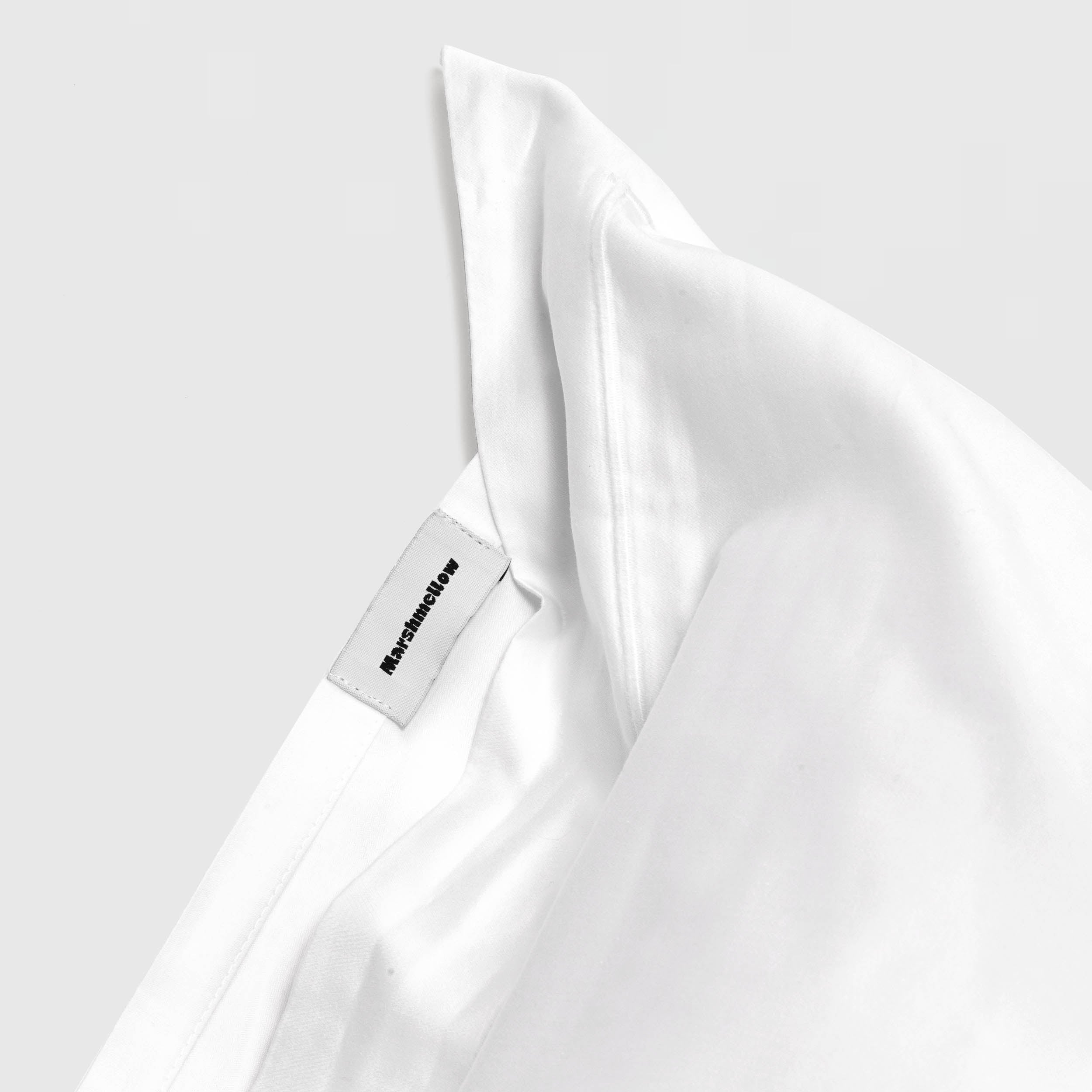
Marshmellow's hotel bedding is made to the specifications commercial hospitality runs on. The same fabric standards, sized for the bed at home rather than for a hotel inventory. Woven, finished and cut at Lintexport's mill, the textile operation that has been at it since 1967.

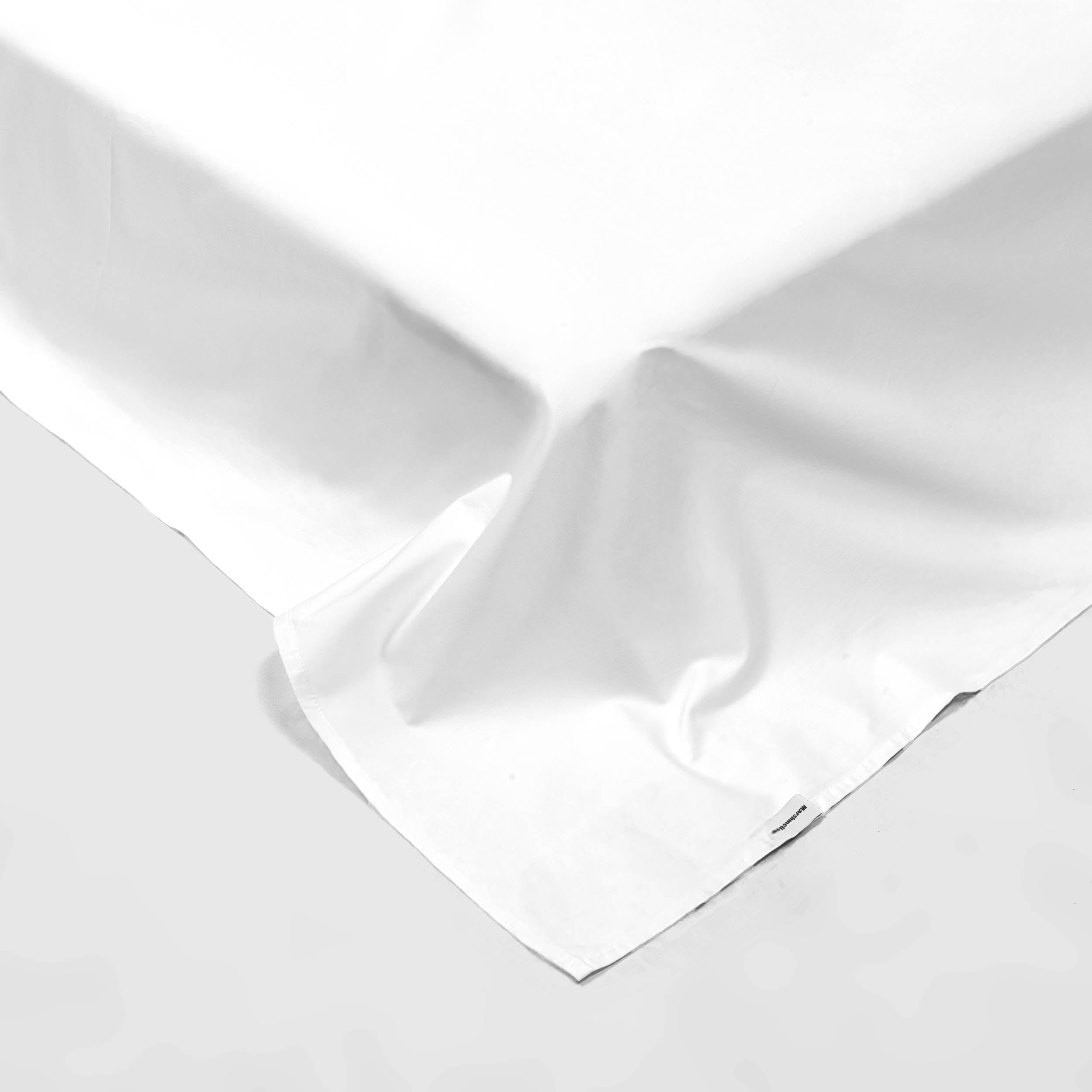
Percale is the most common hotel choice for its crisp, matte finish and breathability. Sateen is the higher-end finish for sleepers who prefer a quieter sheen and a slightly denser drape. Both work as hotel bedding because both have been chosen by hotels for decades.

Cost-per-night is the right way to think about it. A €215 duvet cover used nightly is a few cents a sleep across five years. Hotels can amortise their bedding across a thousand guests. At home, the maths is even simpler.

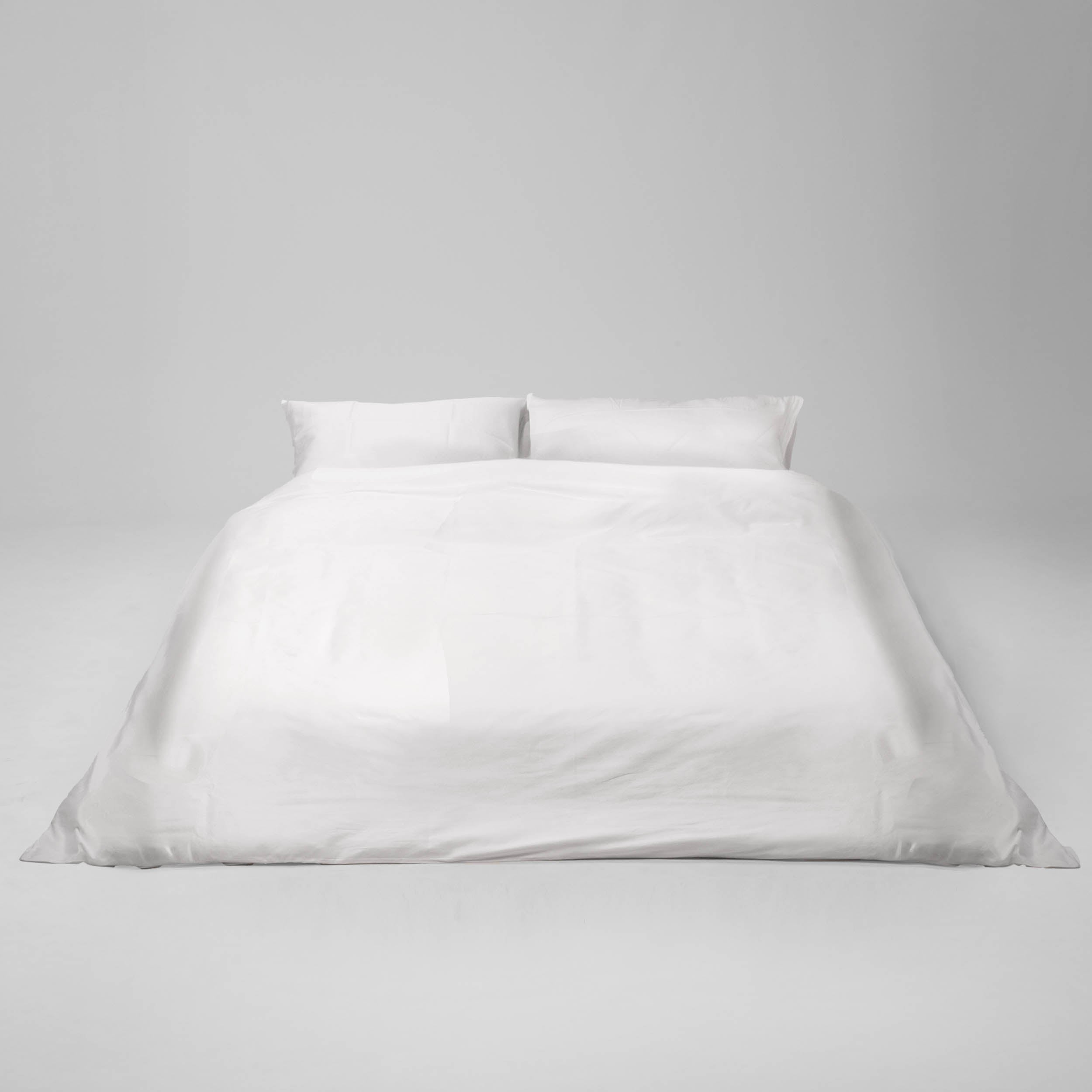
Pair the duvet cover with two right-sized pillowcases and a fitted sheet cut to the mattress depth and the bed reads as hotel bedding from the door. Crisp white, a hotel-style stripe, or a deeper navy, all sit comfortably in a real bedroom.

The bed feels like a booked room. No room service required.