10 products


Soft, breathable, and ridiculously comfy—our bedding collection makes every night feel special. 

Percale – Cool, crisp, and airy for hot sleepers.

Sateen – Smooth, silky, and perfect for snuggling year-round.

Flannel – Cozy, warm, and brushed for extra softness.


FAQs about Bedding

How to choose the right sateen duvet cover?

Sateen is the duvet cover for cool sleepers and lovers of the hotel-bed feel. Pick this if you want silky drape and subtle sheen against your skin. Then pick the colour, since sateen's slight lustre shows colour beautifully.

If you sleep hot in summer, percale will breathe better than sateen. Sateen is slightly warmer because the smoother surface holds heat closer to the body.

What is sateen, and is it the same as satin?

Sateen is a satin-weave fabric made from cotton, with four yarns over and one under, which creates the smooth surface and slight sheen. It's not the same as silk satin (which is woven from silk fibres). A cotton sateen duvet cover gives you the look and feel of satin with the durability and breathability of cotton.

How is sateen different from percale and flannel?

Sateen is silky and slightly warm. Percale is crisp and cool. Flannel is brushed cotton, the warmest of the three.

If you want the hotel-bed feeling, sateen. If you sleep hot, percale. If your bedroom is properly cold in winter, flannel duvet covers.

Does a sateen duvet cover need ironing?

No. Sateen comes out of the dryer almost smooth and drapes beautifully on its own. Most sateen lovers skip the iron entirely.

If you want a crisper finish, iron damp sateen on the reverse side at medium heat. Most don't bother.

Where are Marshmellow luxury sateen duvet covers made?

Every sateen duvet cover is woven and sewn in Portugal, in the same Lintexport mill we've been running since 1967. Satin weave is technically demanding to do well, and we've been doing it for over fifty years.

How do I care for a cotton sateen duvet cover?

Wash warm (30-40°C) with mild detergent. Skip bleach and fabric softener, since softener dulls the sheen that makes sateen worth picking. Tumble dry low or line dry, and iron only if you want extra crispness.

What makes a good sateen duvet cover?

Long-staple cotton, properly woven, properly finished. Cheap sateen uses short fibres that look shiny at first but pill within a year. Good sateen uses long-staple cotton that holds its sheen and gets softer with each wash.

Ours is made in Portugal, since 1967. Long-staple cotton, satin-woven, finished without softeners or chemical sheens.

Luxury Sateen Duvet Covers

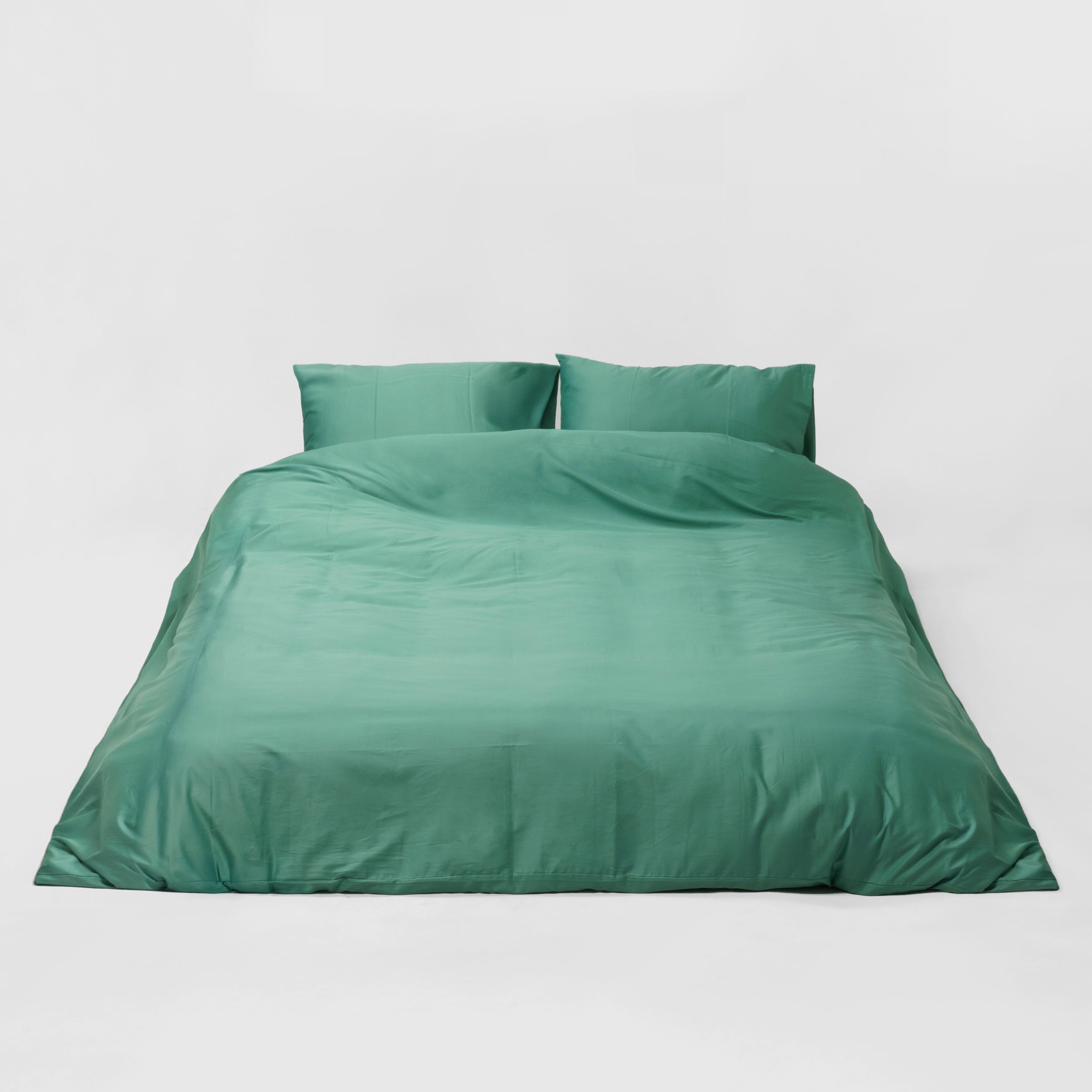
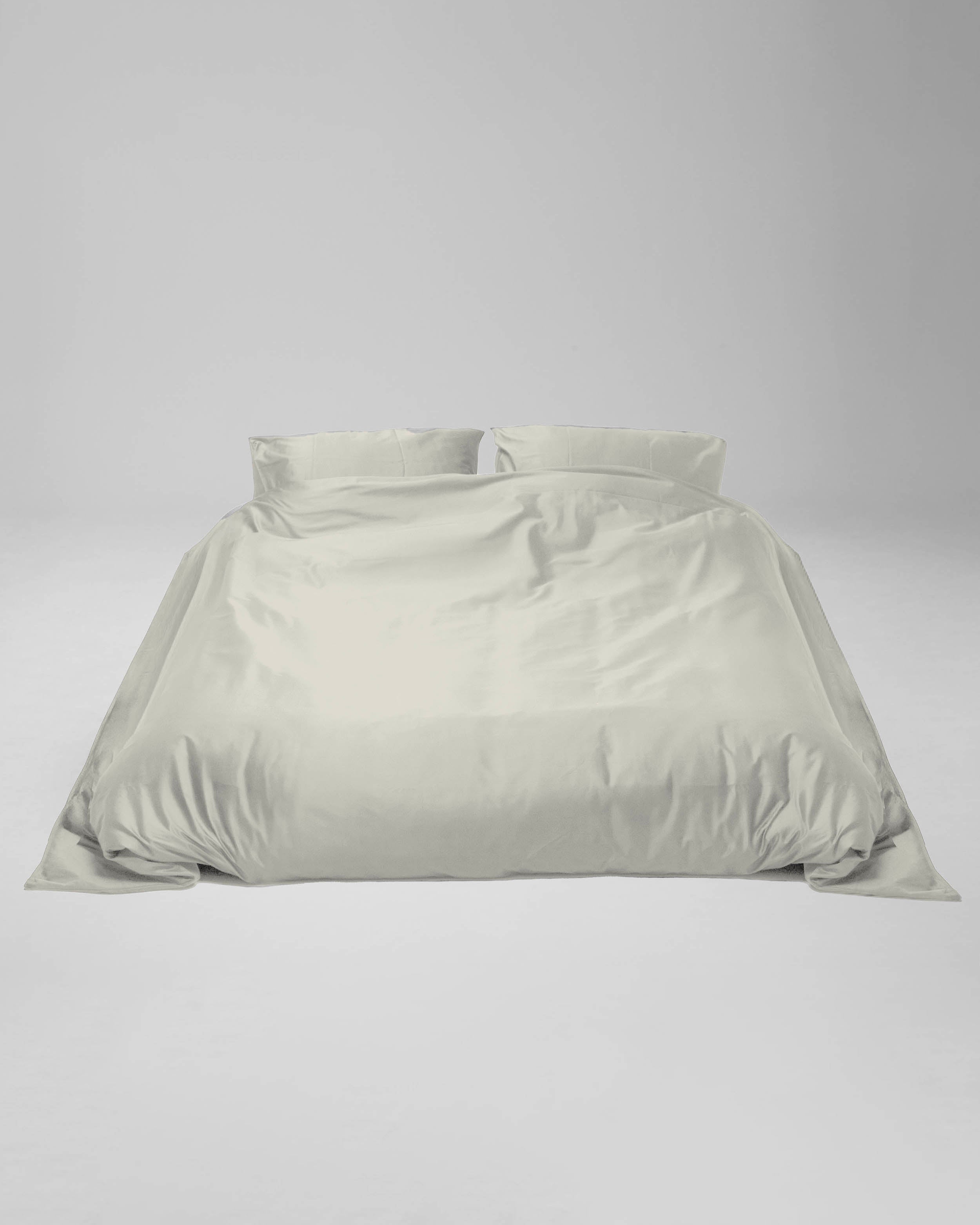
A sateen duvet cover is what makes the bed look more expensive than it is.

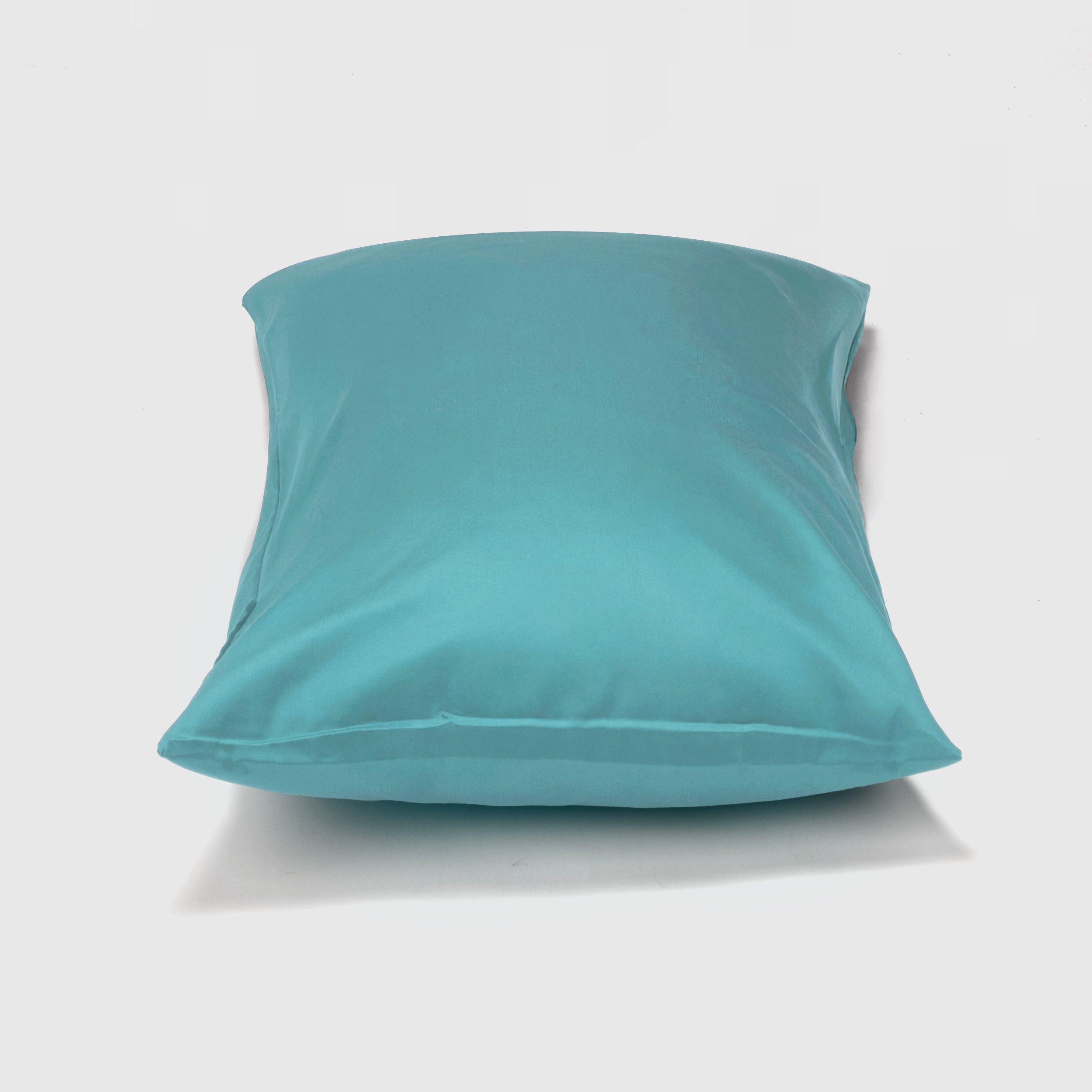
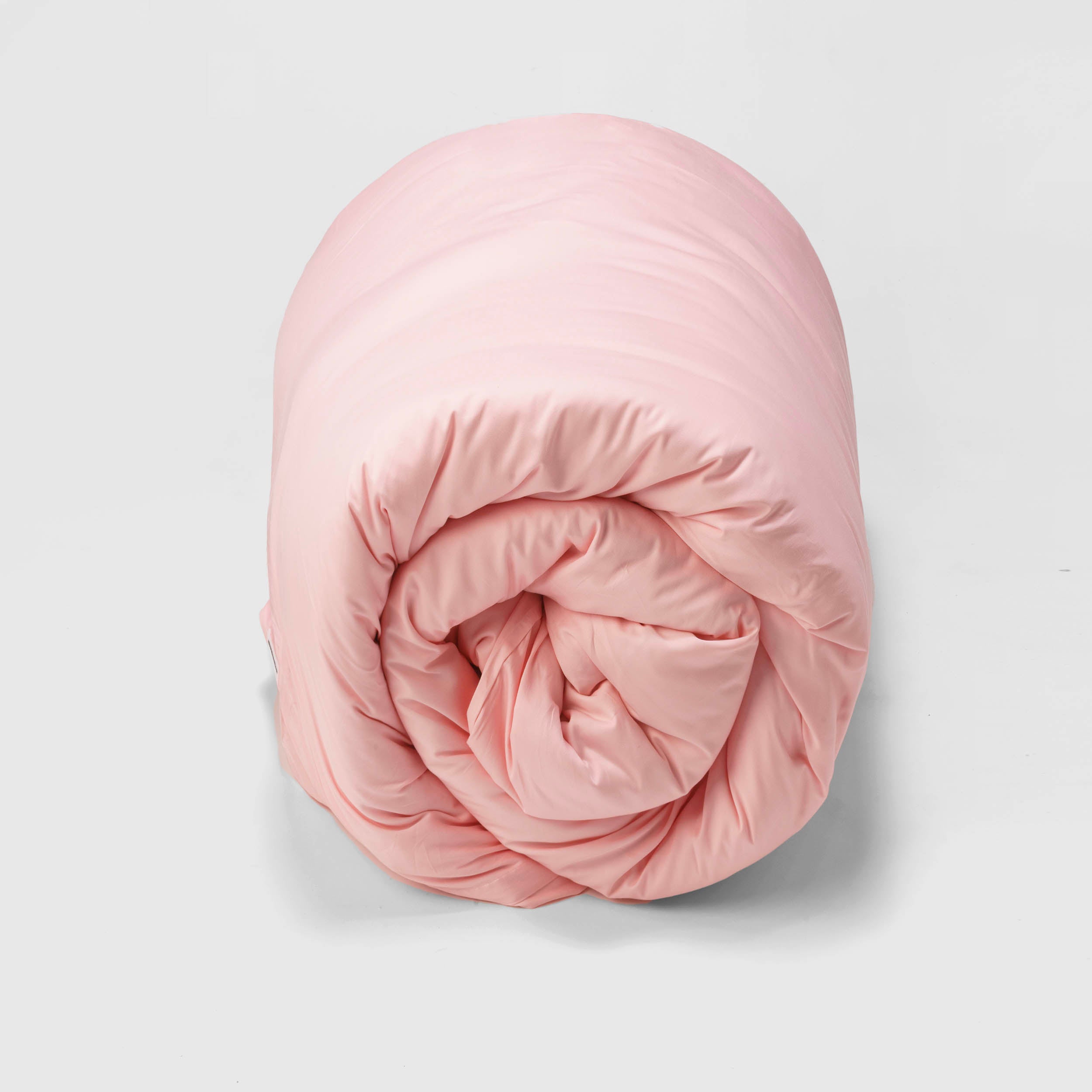
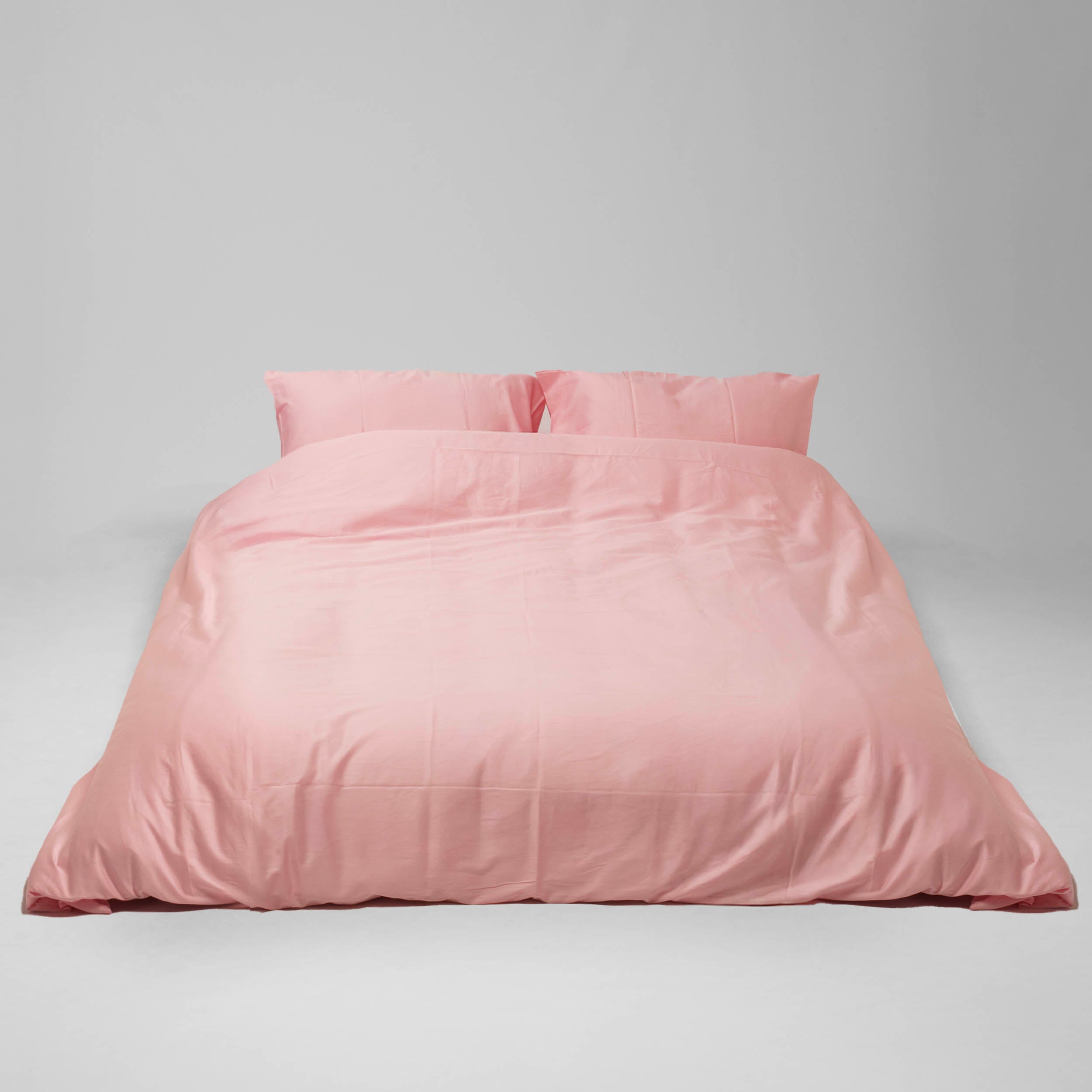
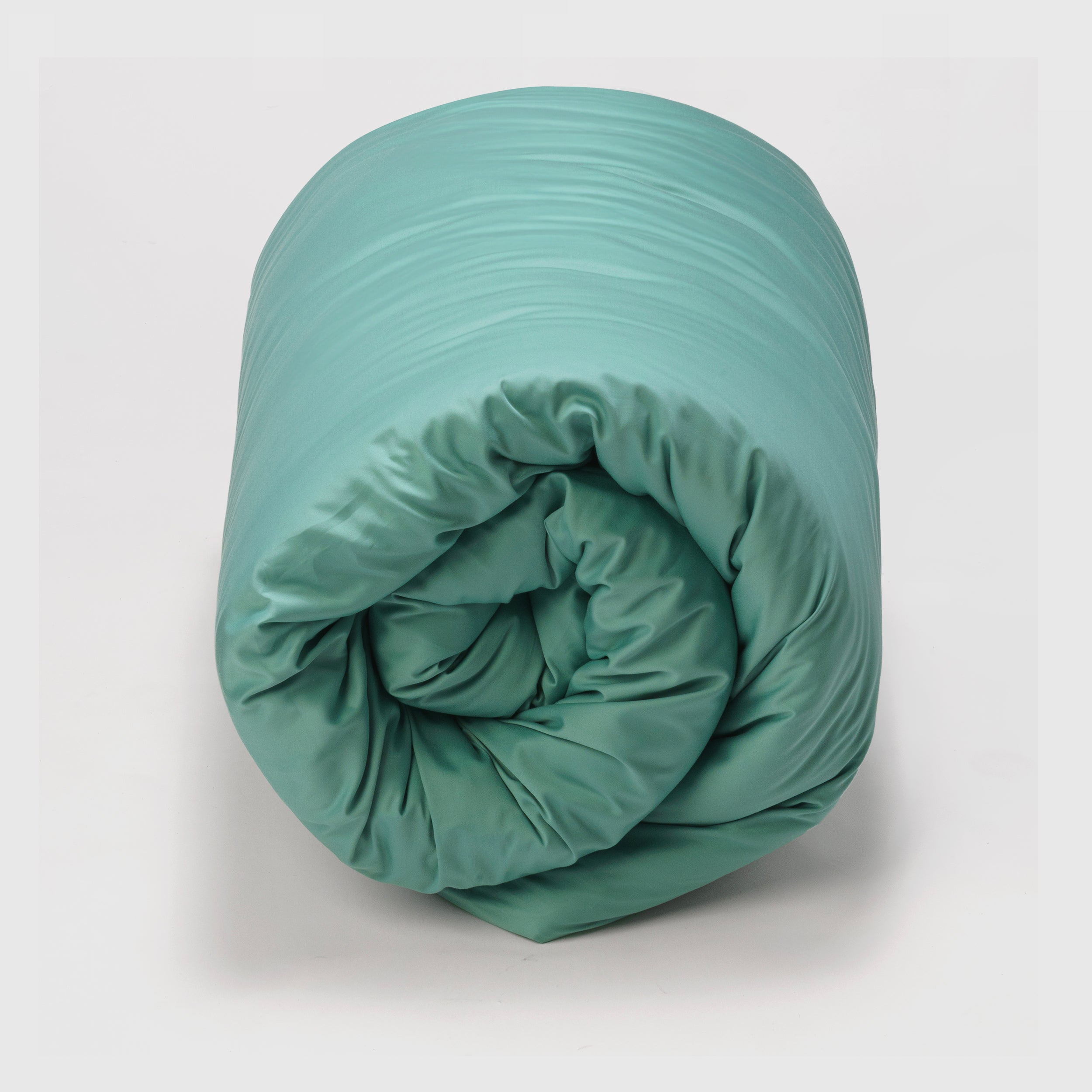
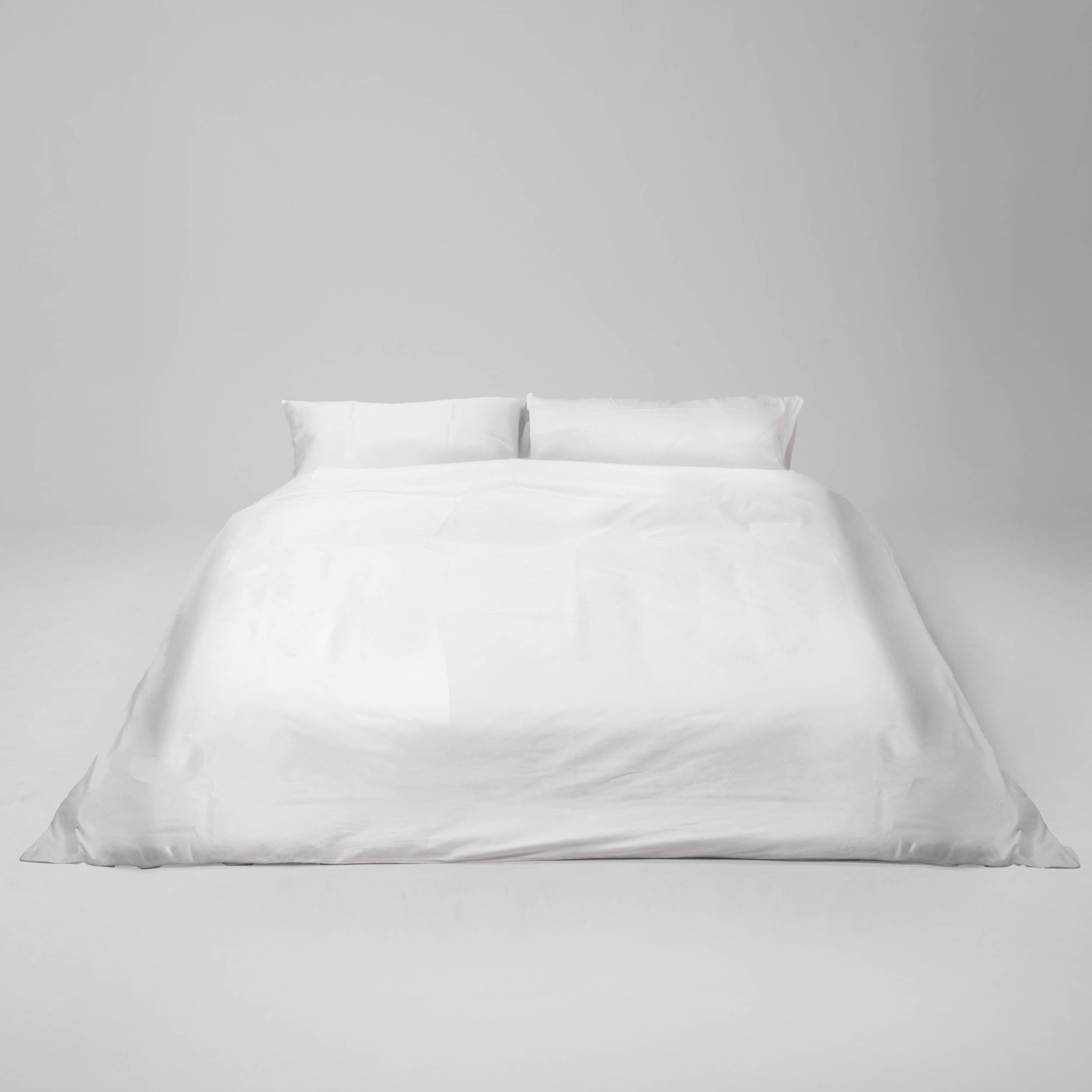
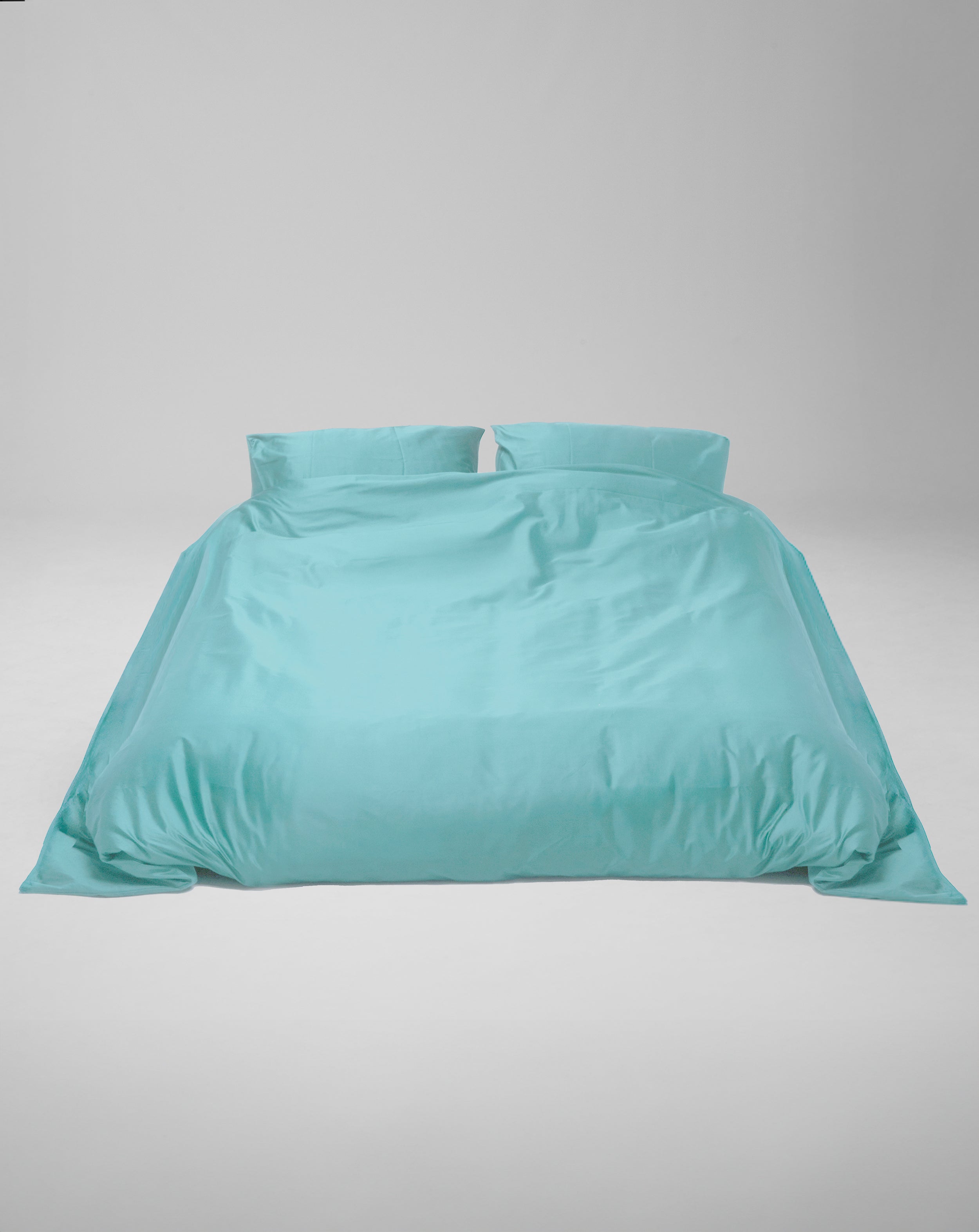
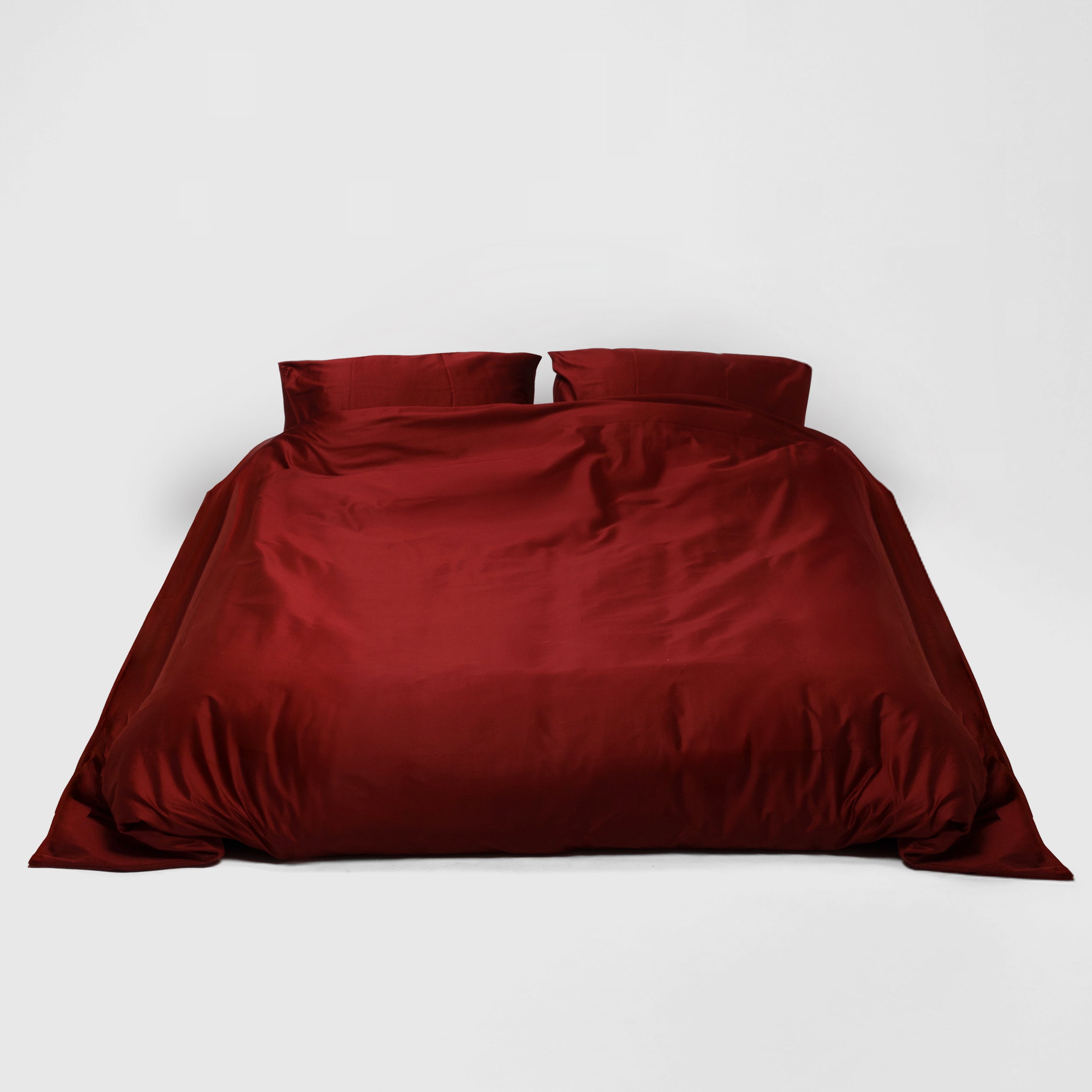
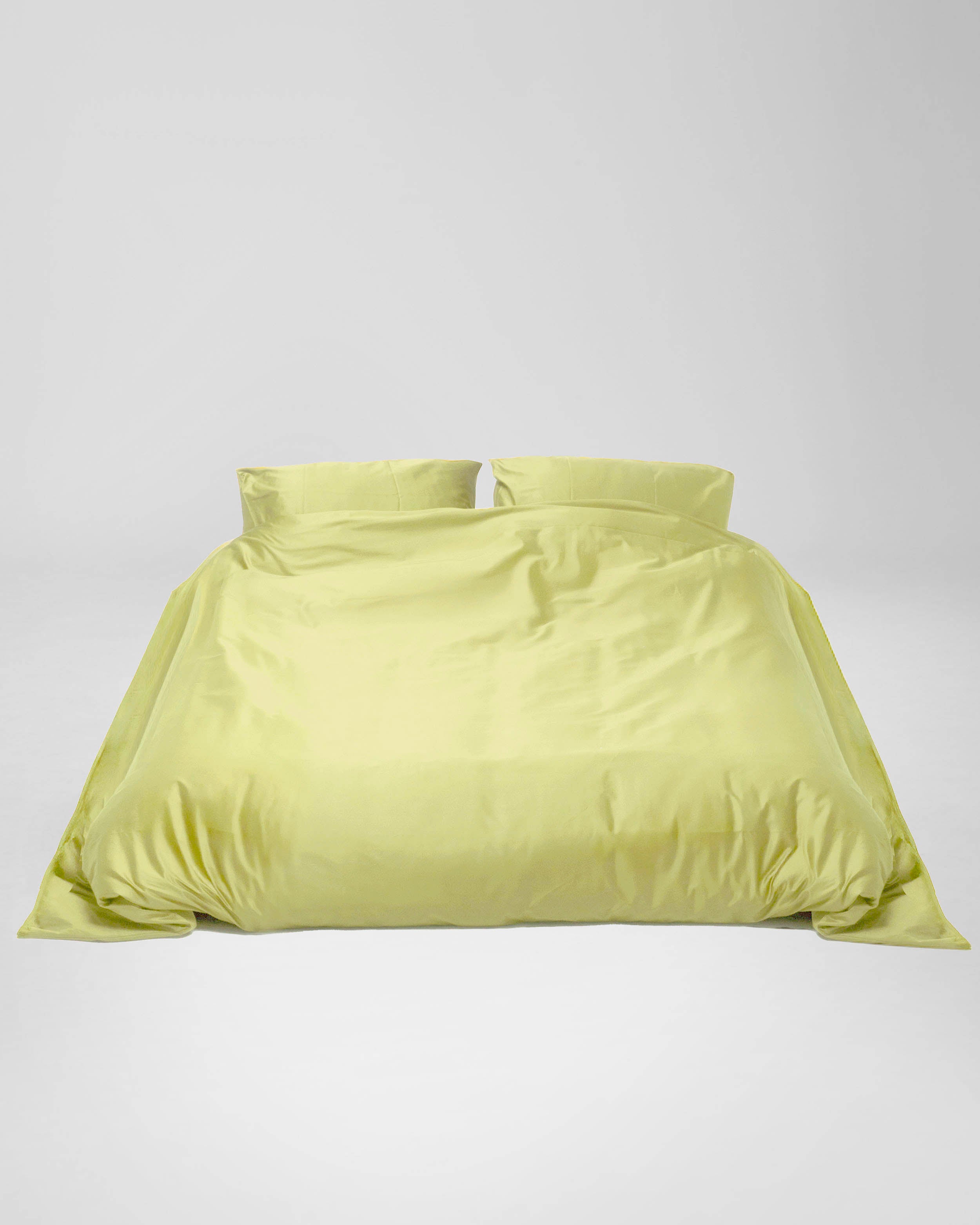
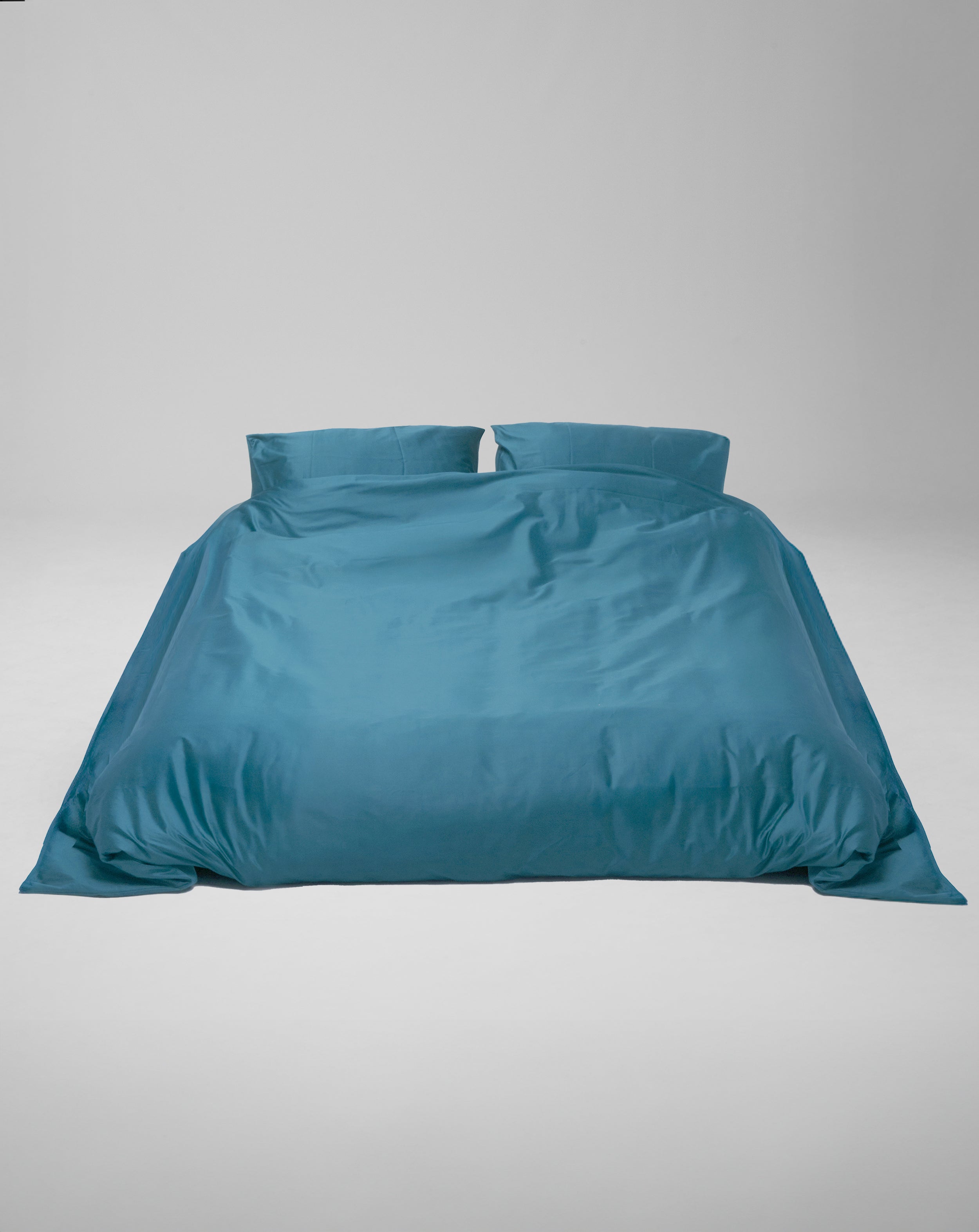
Smooth. Lustrous. Drapes the way fabric is supposed to drape. The duvet cover that catches the morning light without trying. Cotton, finished to feel and look like satin, made the proper way.

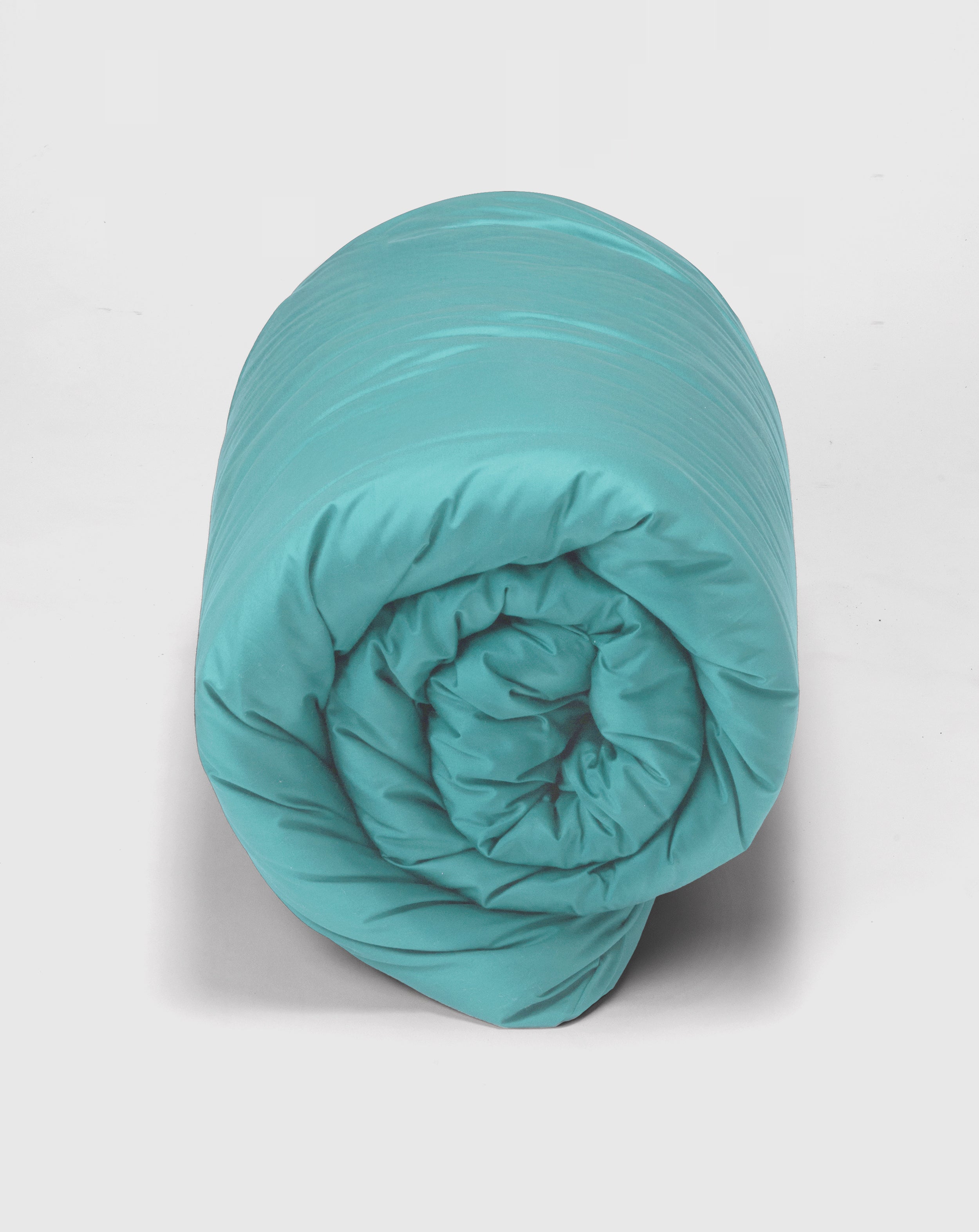
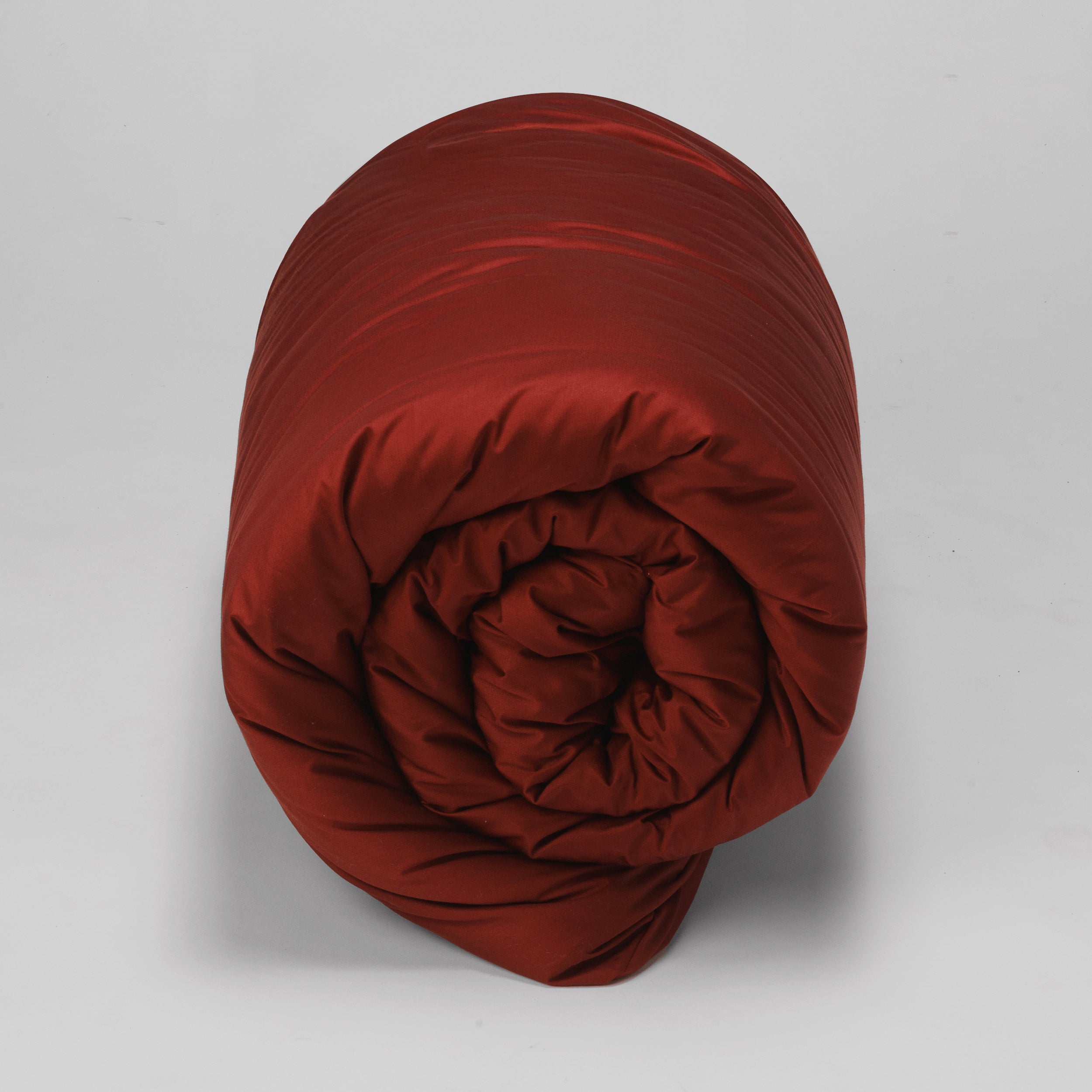
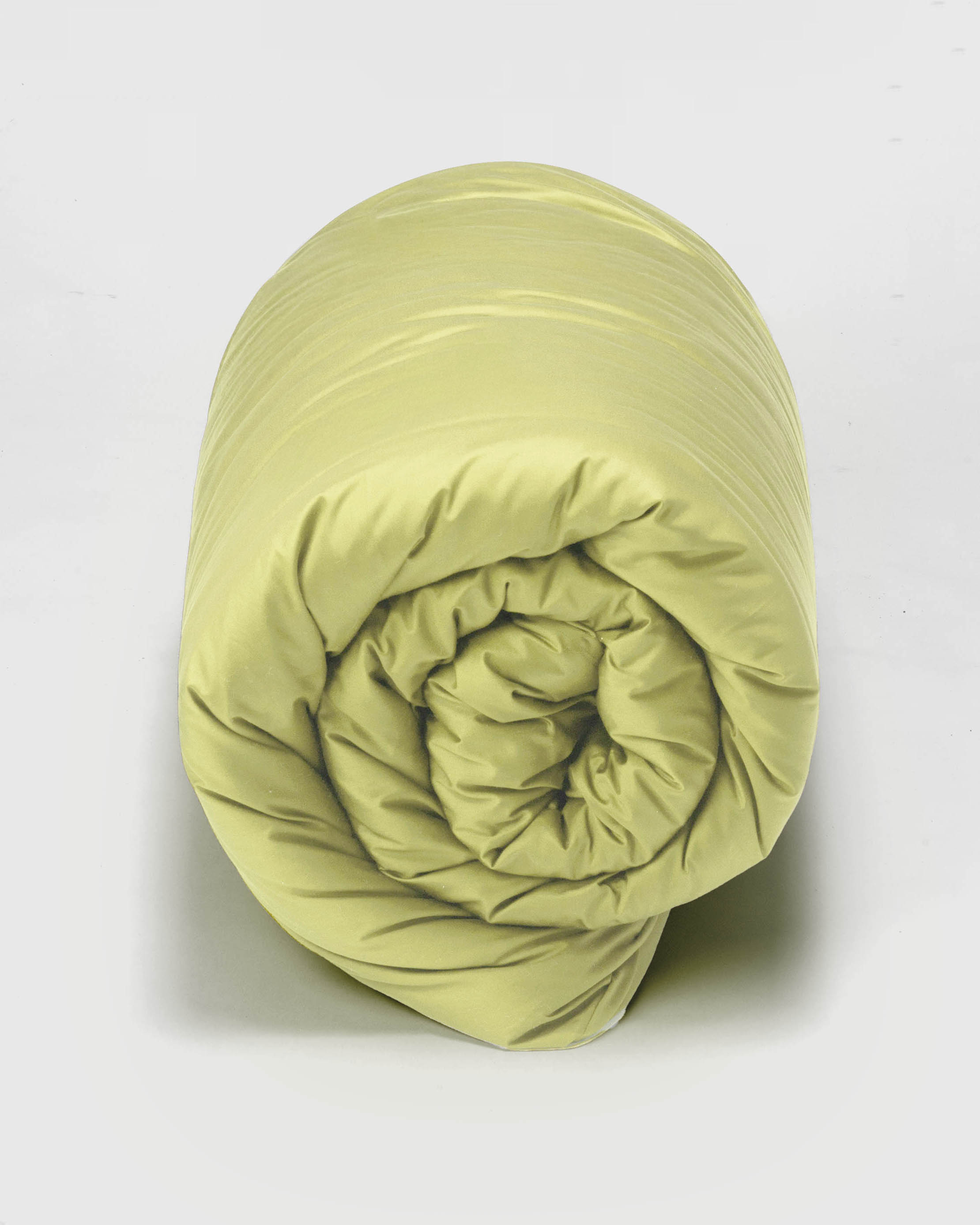
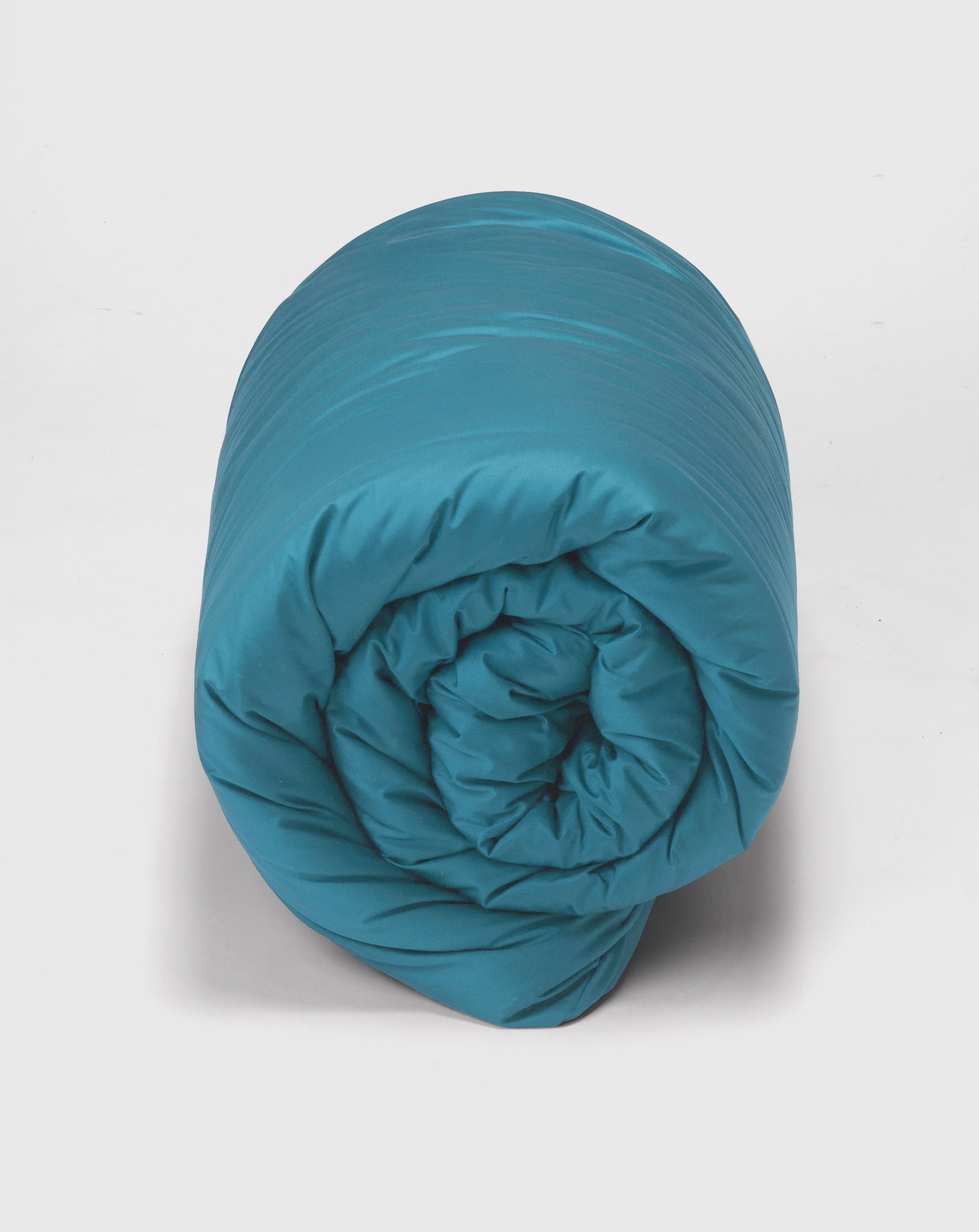
Ours is woven in Portugal, since 1967. Cotton sateen made from long-staple fibre, with the satin weave that creates sateen's signature sheen and silkiness. Cotton sateen duvet cover in classic and seasonal colours.

A sateen duvet cover gets softer with each wash. The sheen mellows just slightly, the cotton settles into its proper hand. Two years in, you can't imagine sleeping under anything else.

Other sateen duvet covers cut corners on cotton length and lose their sheen quickly. Ours don't. Luxury sateen duvet covers from a mill that knows what sateen should feel like.

Made in Portugal, since 1967. Slip in.